Quickpost | World | 10 January 2026
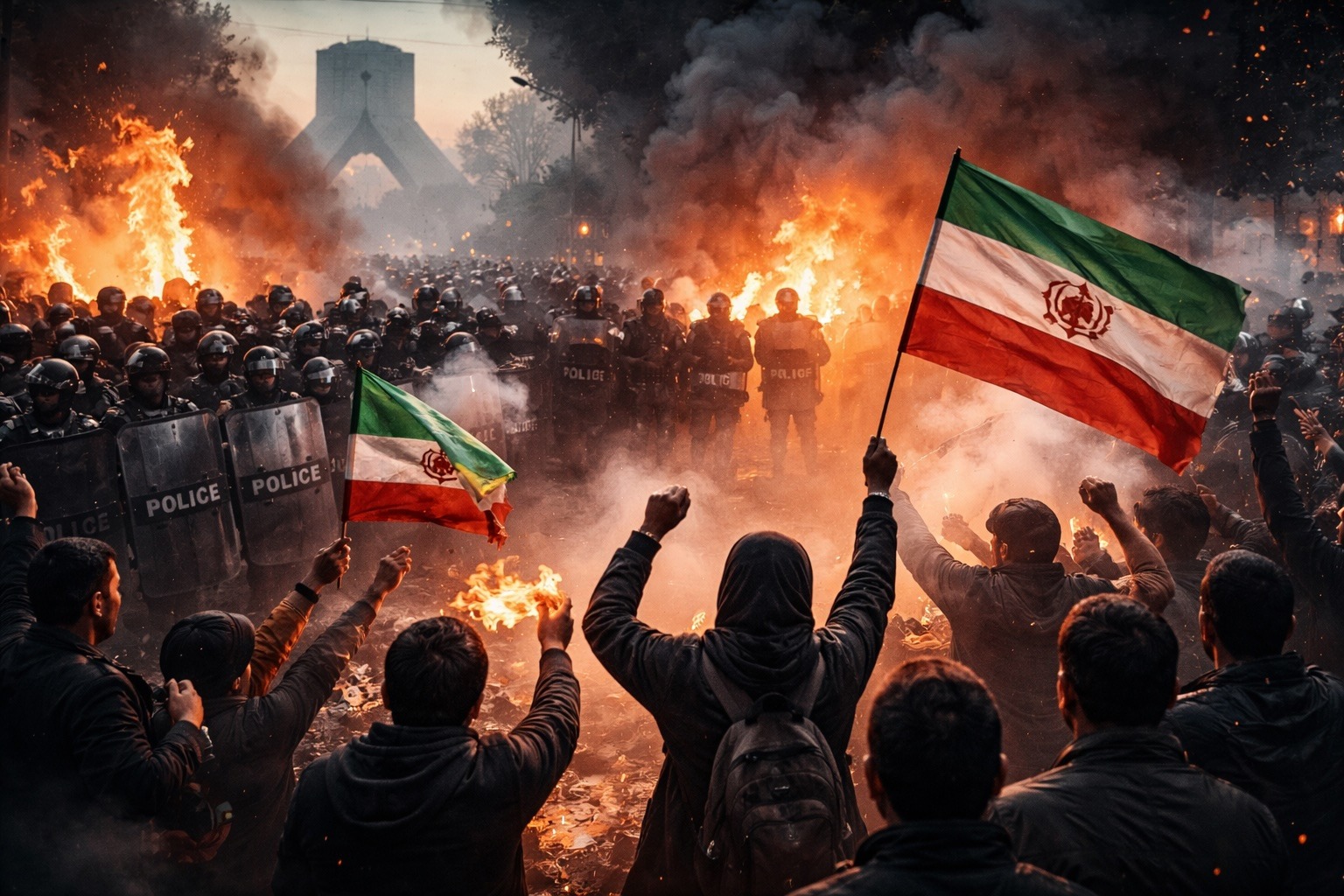
Nationwide protests in Iran have entered their second week with growing intensity, as security forces escalate crackdowns and the United States warns Tehran against further lethal repression.
Mass demonstrations — originally triggered by economic collapse, inflation and the plunging value of the rial — have spread across major cities including Tehran, Mashhad, Qom and Isfahan, with demonstrators demanding political change and an end to clerical rule.
Deadly Crackdown Across the Country
Human rights groups report a significant death toll and a large number of detentions as authorities deploy heavy measures against protesters.
- At least 65 people have been killed during the unrest, including both protesters and security personnel.
- More than 2,300 people have been detained in recent days.
- Iranian authorities have cut internet and international phone access, severely limiting outside communication and coverage.
In some cities, protests have continued even under tight communication blackouts and increased militarized presence.
U.S. Reaction: Warnings and Preparedness
Amid Iran’s violent crackdown, U.S. President Donald Trump and senior American officials have issued stark warnings to Tehran:
- Trump has publicly stated that the U.S. is “locked and loaded” and would intervene if Iranian authorities continue to kill peaceful protesters.
- The U.S. State Department even posted a Persian-language warning, emphasizing that Trump is “a man of action” and cautioning Iran’s leadership not to underestimate American resolve.
- U.S. officials, including the U.S. Ambassador to the United Nations, expressed support for Iranian protestersand urged the government to respect citizens’ rights rather than resort to violent repression.
Tehran’s Hardline Response
In response, Iran’s Supreme Leader Ayatollah Ali Khamenei has accused demonstrators of serving foreign interests and has vowed a harsher crackdown, describing the unrest as a threat to national stability.
Iran’s top judiciary has warned protesters of severe repercussions without legal leniency, with some statements indicating that actions classified as “waging war against God” could even lead to death penalty sentences.
Regional and International Reactions
European and Western governments have condemned the use of lethal force against protesters and called for restraint and respect for human rights.
Meanwhile, Iran’s foreign ministry has tried to portray unrest as internal matters exacerbated by foreign influence, particularly blaming the U.S. and Israel — claims denied by Washington officials.
On the Ground: Protests Continue
Despite the harsh response, Iranians have continued to gather in public spaces, chanting anti‑regime slogans and calling for political reform. Demonstrators in multiple provinces have defied the crackdown, even in areas where internet shutdowns have made communication difficult.
Some analysts describe the unrest as the most significant internal challenge to Iran’s government since the 2022 “Woman, Life, Freedom” movement, fueled by economic despair, political dissatisfaction and rising public discontent.
Outlook
With tensions rising and both domestic and international pressure mounting, the situation in Iran remains fragile and unpredictable. The possibility of further escalation — including potential regional diplomatic or military responses — has drawn global attention, with many watching closely to see whether diplomatic channels can prevent wider conflict.
Sources:
- https://www.hindustantimes.com/world-news/iran-protests-live-updates-trump-warns-khamenei-reza-pahlavi-internet-blackout-death-toll-tehran-january-10-news-101768014075282.html
- https://www.cbsnews.com/news/iran-protests-deaths-mount-trump-warning-pahlavi-calls-for-city-takeovers/
- https://www.apnews.com/article/iran-protests-us-israel-war-economy-54e4024a0b9e6a9f3ab49153c8e28f05
- https://www.reuters.com/world/middle-east/irans-army-vows-protect-public-property-tehran-seeks-quell-growing-unrest-2026-01-10/
- https://www.timesofisrael.com/trump-again-threatens-iran-with-hell-if-it-kills-protesters-amid-violent-crackdown/
- https://en.wikipedia.org/wiki/2026_internet_outage_in_Iran