
Quickpost News | Dhaka | December 19, 2025
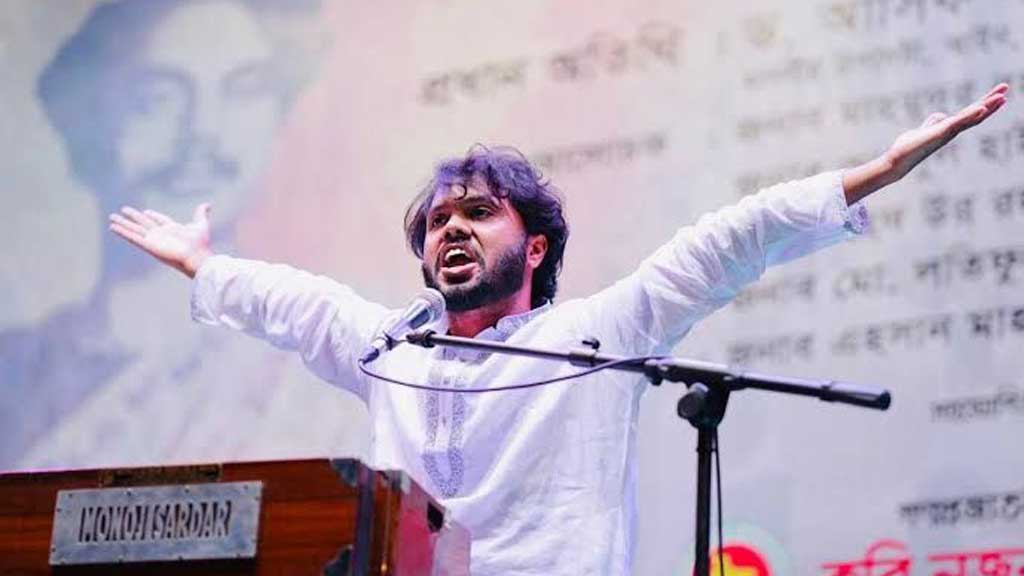
Bangladesh is facing a political crisis after the death of a prominent student leader, Sharif Osman bin Hadi, whose shooting and subsequent passing abroad have triggered widespread unrest across major cities including Dhaka. The interim government has declared a national day of mourning as violent protests intensify, highlighting deep political divisions ahead of the February 12, 2026 general election.
Protests Turn Violent Following Hadi’s Death
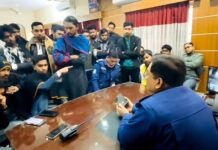
Demonstrations erupted after Sharif Osman bin Hadi, a key figure in the 2024 student-led uprising that toppled former Prime Minister Sheikh Hasina, died from injuries sustained in an assassination attempt. Protesters have vandalized and set fire to major media offices, including those of Prothom Alo and The Daily Star, amid chants demanding justice and accountability.
Security forces have been deployed nationwide to quell the unrest, which reflects broader political instability. The violence has also led to anti‑India sentiments among demonstrators and a diplomatic response from India regarding safety concerns at its mission in Dhaka.
Interim Government Faces Growing Pressure
The interim administration led by Muhammad Yunus is under intense pressure to restore order while preparing for the country’s first national election since the upheaval of 2024. This political transition comes with significant challenges, including public demands for reform, accountability, and a peaceful electoral process.
Authorities have also implemented security protocols for all political parties ahead of the elections, aiming to maintain law and order during the campaign period.
Calls for New Political Direction
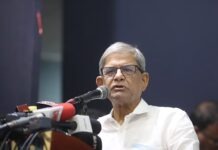
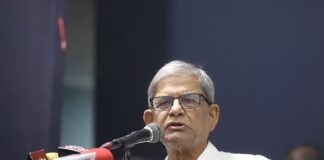
Amid the unrest, political leaders are pushing for change in the country’s political culture and governance system. The Amir of Bangladesh Jamaat‑e‑Islami has called for a break from “outdated politics” and the adoption of a new political order focused on combating corruption, crime and injustice.
Election Countdown and Political Uncertainty
With the 2026 general election scheduled for February 12 and a major constitutional referendum on democratic reforms also expected, Bangladesh is at a pivotal moment. Political analysts note that these developments could reshape the political landscape—but tensions and factional rivalries raise concerns about stability in the coming weeks.