বিপর্যয়ের ধারাবাহিকতা
🧊
ধাপ ১ — ২৬ আগস্ট
হিমবাহ ধস
নেপাল-তিব্বত সীমান্তে বিশাল হিমবাহ ধসে পড়ে। বরফ, পাথর ও কাদার স্রোত তিস্তুলি নদী দিয়ে নেমে আসে।
🌊
ধাপ ২ — একই দিনে
বিধ্বংসী বন্যা
নদীর পানি আকস্মিকভাবে উপচে পড়ে। রাসুয়া ও নুওয়াকোট জেলার শহর-গ্রাম কাদায় ডুবে যায়, সেতু ও সড়ক বিচ্ছিন্ন হয়।
⛏️
ধাপ ৩ — এখনও চলছে
সুড়ঙ্গ উদ্ধার
১২টি জলবিদ্যুৎ প্রকল্পের সুড়ঙ্গে ৯৩৩ শ্রমিক আটকা পড়েন। ড্রিল মেশিন ও বিস্ফোরক দিয়ে উদ্ধার চলছে।
মূল প্রতিবেদন
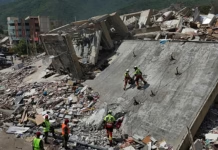
গত ২৬ আগস্ট বুধবার নেপাল-তিব্বত সীমান্তে হিমবাহ ধসের ফলে সৃষ্ট বিধ্বংসী ঢলে কয়েক মিনিটের মধ্যে নেপালের রাসুয়া ও নুওয়াকোট জেলার শহর-গ্রাম বরফ, পাথর ও কাদায় ঢেকে যায়। তিস্তুলি নদীর তীর ছাপিয়ে ছুটে আসা এই ঢলকে বিশেষজ্ঞরা “হিমালয়ের ইতিহাসে সবচেয়ে বিধ্বংসী” বলে অভিহিত করছেন। নেপাল ও চীনের তিব্বত এলাকা মিলিয়ে এ পর্যন্ত ১,০০০-এরও বেশি মানুষের মৃত্যু নিশ্চিত হয়েছে এবং ৪,৫০০-এরও বেশি নিখোঁজ রয়েছেন।
সবচেয়ে উদ্বেগজনক পরিস্থিতি তিস্তুলি নদীর তীর ধরে গড়ে ওঠা ১২টি জলবিদ্যুৎ প্রকল্পে — যেখানে ৯৩৩ শ্রমিক নিখোঁজ রয়েছেন। প্রায় ৫০০ জন গভীর ও মোটাদেয়ালের সুড়ঙ্গে আটকা পড়েছেন বলে ধারণা করা হচ্ছে। নেপালের সেনাবাহিনী সুড়ঙ্গ খুলতে নিয়ন্ত্রিত বিস্ফোরণ, এক্সকাভেটর এবং সার্চলাইট ব্যবহার করছে। চীন ও ভারতের বিশেষজ্ঞ দলও উদ্ধার অভিযানে যোগ দিয়েছে।
নেপালের সেনা মুখপাত্র রাজা রাম বাসনেট রয়টার্সকে বলেন: “প্রচুর ধ্বংসাবশেষ জমা হয়েছে যা সুড়ঙ্গ খোলার কাজকে অত্যন্ত কঠিন করে তুলেছে। আমাদের প্রধান লক্ষ্য এখন সুড়ঙ্গ খোলা।” তিস্তুলি ৩এ প্রকল্পে যেখানে ৪২ জন নিখোঁজ, সেখানে উদ্ধারকর্মীরা ড্রিল মেশিন দিয়ে সুড়ঙ্গের ওপর দিয়ে ভেতরে ঢোকার পথ করছেন এবং বায়ু পাম্প করছেন।
“আমি বেটিং-এ বিশ্বাসী নই, কিন্তু আমি আশাবাদী। যদি কেউ জীবিত থাকেন, বা বেশ কয়েকজন জীবিত থাকেন — আমরা তাদের খুঁজে বের করতে আপ্রাণ চেষ্টা করছি।”
উদ্ধারকারী দলের একজন সদস্য — CBC News-কে দেওয়া সাক্ষাৎকারে
সুড়ঙ্গ উদ্ধার — বর্তমান অবস্থা
🏔️ তিস্তুলি ৩এ — রাসুয়া জেলা (সক্রিয় প্রকল্প)
৪২
ড্রিলিং চলছে
🏔️ তিস্তুলি ৩বি — রাসুয়া জেলা
৬০+
খনন চলছে
🏗️ অন্যান্য ১০টি প্রকল্প — রাসুয়া ও নুওয়াকোট (নির্মাণাধীনসহ)
৮৩১+
তল্লাশি চলছে
নিখোঁজ ও নিহতের হিসাব
নিশ্চিত মৃত্যু (নেপাল)
৯০৩+
নিখোঁজ (নেপাল)
৪,২৪৭+
সুড়ঙ্গে আটকা শ্রমিক
৯৩৩
প্রকল্প ক্ষতিগ্রস্ত
১২টি
চীন/তিব্বত নিহত
১৬
চীনে নিখোঁজ
৫৪৬
আমেরিকান নিখোঁজ
৮৫
অস্ট্রেলিয়ান নিখোঁজ
৪৩
এই দুর্যোগ বাংলাদেশের জন্যও গভীর উদ্বেগের বিষয়। বাংলাদেশ-নেপাল দীর্ঘমেয়াদী জলবিদ্যুৎ রপ্তানি চুক্তির আওতায় নেপাল থেকে বিদ্যুৎ আমদানির পরিকল্পনা চলমান ছিল — এই বিপর্যয় সেই পরিকল্পনাকে অনিশ্চিত করে তুলেছে। এছাড়া হিমালয়ের হিমবাহ গলা ও ঢলের কারণে বাংলাদেশের বন্যা পরিস্থিতিও প্রতিবছর আরও ভয়াবহ হচ্ছে — নেপালের এই বিপর্যয় জলবায়ু সংকটের ক্রমবর্ধমান ভয়াবহতার সতর্কসংকেত। শত শত পরিবার লাশ সনাক্ত করতে পারছে না — অনেক মৃতদেহ ভেসে এসেছে নেপালের সমতলভূমিতে, দূরে চিতওয়ান ও ধাডিং জেলায়।
সম্পাদকীয় স্বচ্ছতা নোট: এই প্রতিবেদনের তথ্য CNN, Al Jazeera, Reuters (Detroit News), ABC News (Australia), CBC News এবং Euronews-এর ১ সেপ্টেম্বর ২০২৬-এর প্রতিবেদন থেকে যাচাই করা হয়েছে। মৃত ও নিখোঁজের সংখ্যা প্রতিদিন পরিবর্তনশীল। “৯৩৩ সুড়ঙ্গ শ্রমিক” নেপালের স্বাধীন বিদ্যুৎ উৎপাদক সমিতির (IPPAN) তথ্য থেকে নেওয়া।
How the Disaster Unfolded
🧊
Stage 1 — August 26
Glacier Collapse
A massive glacial collapse on the Nepal-Tibet border sends a torrent of ice, rock and mud roaring down through the Trishuli river valley.
🌊
Stage 2 — Same day
Catastrophic Flash Flood
Rivers burst their banks. Towns and villages in Rasuwa and Nuwakot districts are buried. Roads, bridges and power infrastructure wiped out.
⛏️
Stage 3 — Still ongoing
Tunnel Rescue Race
933 workers are unaccounted for at 12 hydropower projects. Drill operations, controlled blasts and excavators work to reach those inside mud-filled tunnels.
Report
On the afternoon of Wednesday, August 26, a glacial collapse on the Nepal-Tibet border sent a catastrophic wave of ice, rock, mud and debris surging down the Trishuli river valley — burying towns and villages in Nepal’s Rasuwa and Nuwakot districts within minutes. Experts have described it as one of the most devastating Himalayan flood events on record, triggered by what authorities believe was a large-scale glacial detachment at high altitude, likely accelerated by rising temperatures in the region. Seven days on, the confirmed death toll across Nepal and China’s Tibet region has passed 1,000, with more than 4,500 people still missing.
The most urgent element of the rescue operation centres on the 12 hydropower projects that line the Trishuli river — at which 933 workers are unaccounted for, around 500 of whom are believed to be trapped inside tunnels swamped by mud and debris. Nepal’s army is using controlled blasts, excavators and searchlights to try to clear passages into the tunnels. Chinese and Indian experts have joined the effort. At the Trishuli 3A hydropower plant — where 42 people are listed as missing — a major operation is underway to drill through from above and pump air into the underground powerhouse while rescuers search for survivors.
The operation is complicated by the scale of the destruction. Roads and bridges that once connected the remote mountain districts have been obliterated. Poor weather has hampered helicopter flights. The mud in some tunnels stretches for several kilometres, meaning workers could be far from any entry point. Survival rooms and emergency oxygen supplies in some tunnels may give workers a chance — but experts have warned that survival probability diminishes sharply with each passing day.
“I’m not a betting man but I’m an optimist. If there’s someone alive, or there’s people alive out there, we’re doing our best to find them.”
Rescue team member — speaking to CBC News during operations in Rasuwa district
Tunnel Rescue — Key Sites
🏔️ Trishuli 3A — Rasuwa District (operational plant)
42
Drilling active
🏔️ Trishuli 3B — Rasuwa District
60+
Excavating
🏗️ 10 further projects — Rasuwa & Nuwakot (incl. 4 under construction)
831+
Searching
The Full Toll
Confirmed dead (Nepal)
903+
Missing (Nepal)
4,247+
Workers in tunnels
933
Projects affected
12
Dead in China/Tibet
16
Missing in China
546
Americans missing
85
Australians missing
43
Hundreds of bodies, many unidentifiable, have already been buried in shallow graves across Nepal’s lowland districts as they began decomposing in the humid monsoon weather after being swept far from where they died. For families, identification has become a desperate secondary crisis. The Red Cross estimates that more than 90,000 people have been directly affected by the floods across Nepal and Tibet — through displacement, loss of livelihoods, and the destruction of entire communities whose connection to the outside world depended on the now-collapsed road network.
For Bangladesh, the disaster carries indirect consequences. Nepal’s hydropower sector — central to a long-discussed regional energy grid that includes Bangladesh — has been significantly damaged across twelve projects. The scale of this glacial collapse also underscores the accelerating impact of climate change on Himalayan ice, which feeds the rivers that flow into Bangladesh every monsoon season. As temperatures in the Himalayas continue to rise, events of this magnitude are expected to become more frequent — not less.
Editorial transparency note: All figures sourced from CNN, Al Jazeera, Reuters (Detroit News), ABC News Australia, and CBC News — all dated August 31 – September 1, 2026. Death and missing figures remain fluid and are updated from official Nepali and Chinese government sources. The 933 hydropower worker figure is from Nepal’s Independent Power Producers’ Association (IPPAN). Red Cross 90,000+ figure from Reuters reporting. US (85) and Australian (43) missing figures from respective foreign ministries.