
তেলের যুদ্ধ থেকে সূর্যের শান্তি? — নবায়নযোগ্য শক্তিতে বিশ্বের রূপান্তর হলে কি ভবিষ্যতে কম যুদ্ধ হবে?
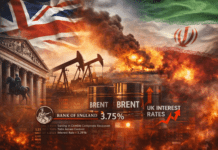
হরমুজ প্রণালী বন্ধ থাকায় বিশ্ব তেলের দাম $১০০ ছাড়িয়েছে, আর বিশেষজ্ঞরা আবার জিজ্ঞেস করছেন — যদি বিশ্ব তেলের উপর নির্ভর না করত, তাহলে কি এই যুদ্ধ আদৌ হত? গবেষণা বলছে, ১৯৭৩ থেকে ২০০৭ সালের মধ্যে আন্তর্জাতিক যুদ্ধের ২৫ থেকে ৫০ শতাংশই তেলের সাথে সরাসরি সংযুক্ত ছিল।
মধ্যপ্রাচ্যে যুদ্ধ শুরু হওয়ার সাথে সাথে একটি প্রশ্ন বারবার সামনে আসছে — তেলের জন্য যদি বিশ্বের এত মারামারি না হত, তাহলে কি পৃথিবীটা একটু শান্তিপূর্ণ হতে পারত? জলবায়ু ও শক্তি বিশেষজ্ঞরা বলছেন, এই প্রশ্নের উত্তর হয়তো ‘হ্যাঁ’। গবেষণা দেখাচ্ছে, ১৯৭৩ থেকে ২০০৭ সালের মধ্যে বিশ্বের ২৫ থেকে ৫০ শতাংশ আন্তর্জাতিক সশস্ত্র সংঘাতের পেছনে তেলের প্রত্যক্ষ সম্পর্ক ছিল।
আজকের বাস্তবতায় ইরানের সাথে সংঘাত আবার প্রমাণ করছে যে হরমুজ প্রণালীর মতো মাত্র একটি সামুদ্রিক পথ বন্ধ হলে বিশ্বের তেলের দাম রাতারাতি $১০০ ছাড়িয়ে যেতে পারে। এই একটি ঘটনাই ব্যাখ্যা করে, কেন বিশ্বের ৭৫ শতাংশ মানুষ যাদের দেশ জীবাশ্ম জ্বালানি আমদানি করে, তারা এই সংঘাতের মাসুল দেয়।
“সূর্যালোক সরু ও দুর্বল জলপথের উপর নির্ভর করে না, বাতাস বিশাল করদাতানির্ভর নৌ-পাহারা ছাড়াই প্রবাহিত হয়।”
— সাইমন স্টিয়েল, নির্বাহী সচিব, UNFCCC · ব্রাসেলস গ্রিন গ্রোথ সামিট · ১৬ মার্চ ২০২৬তেল ও যুদ্ধ: ইতিহাসের সংযোগ
আধুনিক যুদ্ধের ইতিহাসে তেল একটি কেন্দ্রীয় চরিত্র। দ্বিতীয় বিশ্বযুদ্ধে নাৎসি জার্মানি সোভিয়েতের কককেসাস তেলক্ষেত্র দখল করতে ঝাঁপিয়ে পড়েছিল। ১৯৪১ সালে জাপান ডাচ ইন্দোনেশিয়া আক্রমণ করেছিল শুধুমাত্র তেলের জন্য। ১৯৯০ সালে সাদ্দাম হোসেনের কুয়েত অভিযানের পেছনেও ছিল তেলসম্পদের লোভ।
International Security জার্নালে প্রকাশিত বিশ্লেষণে দেখা গেছে, ১৯৭৩ থেকে ২০০৭ পর্যন্ত আন্তর্জাতিক যুদ্ধের এক-চতুর্থাংশ থেকে অর্ধেকই তেলের সাথে সরাসরি সম্পর্কিত। কেট গাই (Columbia Center of Global Energy Policy) বলছেন, জলবায়ু পরিবর্তনের সাথে পানি, কৃষিজমি ও খাদ্য নিরাপত্তার দ্বন্দ্ব যোগ হলে ভবিষ্যতে এই সংঘাতের রূপ আরও জটিল হবে।
জীবাশ্ম জ্বালানি বনাম নবায়নযোগ্য শক্তি: ভূরাজনৈতিক তুলনা
- ১৯৭৩–২০০৭: ২৫–৫০% যুদ্ধ তেলের সাথে সংযুক্ত (International Security)
- হরমুজ বা সুয়েজের মতো “চোক পয়েন্ট” বন্ধে অর্থনীতি থমকে যায়
- কর্তৃত্ববাদী সরকারগুলো তেল রাজস্ব দিয়ে সামরিক শক্তি গড়ে তোলে
- দাম ভূরাজনৈতিক সংঘাতে রাতারাতি বেড়ে যায়; বাজার অস্থির
- গ্রিনহাউস গ্যাসের ৯০% CO₂ নির্গমন, জলবায়ু সংঘাতের মূল কারণ
- সৌর, বায়ু বা জলবিদ্যুৎ নিয়ে কোনো বৃহৎ আন্তর্জাতিক যুদ্ধের নজির নেই
- দেশীয়ভাবে উৎপাদনযোগ্য — আমদানি বা “চোক পয়েন্ট” নির্ভরতা নেই
- স্বৈরাচারী সরকারের “জ্বালানি অস্ত্র” ব্যবহারের সুযোগ কমিয়ে দেয়
- লিথিয়াম ও কোবাল্টের মতো উপকরণ নিয়ে নতুন স্থানীয় উত্তেজনার ঝুঁকি
- বৈশ্বিক নেট-জিরো লক্ষ্যমাত্রা পূরণে বিশ্ব এখনও পিছিয়ে (WEF, WRI)
নবায়নযোগ্য শক্তিতে রূপান্তরের বাস্তবতা
Brown University-র অধ্যাপক স্টিফেন পোর্ডার বলেছেন, আধুনিক প্রযুক্তি এখন যুদ্ধের মাসুল না দিয়েই শক্তি পাওয়ার সুযোগ দিচ্ছে। তিনি জানান, মাত্র একটি কন্টেইনার জাহাজ ভর্তি সোলার প্যানেল একশটি কয়লাবোঝাই জাহাজের সমান পরিমাণ শক্তি বহন করতে পারে। এই প্রযুক্তিগত লাফই বলে দেয়, ভবিষ্যতের জ্বালানি ব্যবস্থা কতটা ভিন্ন হতে পারে।
IRENA জানিয়েছে, ২০২৪ সালে বৈশ্বিক নবায়নযোগ্য শক্তির সক্ষমতা রেকর্ড ১৫.১ শতাংশ বৃদ্ধি পেয়েছে। এর চেয়েও গুরুত্বপূর্ণ হল, ২০২৫ সালে প্রথমবারের মতো নবায়নযোগ্য শক্তি কয়লাকে পেছনে ফেলে বিশ্বের শীর্ষ বিদ্যুৎ উৎসে পরিণত হয়েছে। একই বছর পরিষ্কার শক্তিতে বৈশ্বিক বিনিয়োগ ২ ট্রিলিয়ন ডলার ছাড়িয়েছে, যা জীবাশ্ম জ্বালানিতে বিনিয়োগের দ্বিগুণ।
Erin Sikorsky (Council on Strategic Risks) বলছেন: “জীবাশ্ম জ্বালানি কর্তৃত্ববাদী সরকারগুলোকে লিভারেজ দেয়।” ইরানের ক্ষেত্রে, দেশটির তেল রফতানি ও হরমুজের উপর নিয়ন্ত্রণ তাকে ভূরাজনৈতিকভাবে গুরুত্বপূর্ণ করে তুলেছে — যা মার্কিন-ইসরায়েল নীতির অন্যতম কারণ।
মার্কিন প্রশাসন ইতোমধ্যে ভেনেজুয়েলার তেল ট্যাঙ্কার জব্দ করেছে এবং দেশটির প্রেসিডেন্ট নিকোলাস মাদুরোকে আটক করেছে — যেখানে বিশ্বের অন্যতম বৃহত্তম তেল মজুদ রয়েছে।
তেলনির্ভর বনাম নবায়নযোগ্য অর্থনীতি: তুলনামূলক তথ্য
| বিষয় | জীবাশ্ম জ্বালানি | নবায়নযোগ্য শক্তি | উৎস |
|---|---|---|---|
| যুদ্ধ সংযোগ | ২৫–৫০% যুদ্ধ তেল-সংযুক্ত (১৯৭৩–২০০৭) | কোনো বৃহৎ আন্তর্জাতিক যুদ্ধের নজির নেই | International Security |
| দামের ঝুঁকি | ভূরাজনৈতিক ঘটনায় রাতারাতি ৮–১০% বৃদ্ধি | স্থানীয় উৎপাদন — বাজার অস্থিরতায় কম প্রভাব | Goldman Sachs, IEEFA |
| বৈশ্বিক প্রবৃদ্ধি (২০২৪) | বিনিয়োগ ক্রমশ কমছে | ১৫.১% ক্যাপাসিটি বৃদ্ধি; $২ ট্রি. বিনিয়োগ (২০২৫) | IRENA, UNFCCC |
| কর্তৃত্ববাদী শক্তি | তেল রাজস্বে সরকারের সামরিক শক্তি বাড়ে | জ্বালানি অস্ত্র হিসেবে ব্যবহারের সুযোগ কমে | Council on Strategic Risks |
| পরিবেশগত ঝুঁকি | ৯০% CO₂, ৬৮%+ গ্রিনহাউস গ্যাস নির্গমন | কার্বন নিঃসরণ প্রায় শূন্য | জাতিসংঘ |
বাংলাদেশ ও দক্ষিণ এশিয়ার জন্য কী শিক্ষা?
বাংলাদেশ ইতোমধ্যে বিশ্বের অন্যতম বৃহত্তম সোলার হোম সিস্টেম ব্যবহারকারী দেশ। হরমুজ সংকটের মতো পরিস্থিতিতে নবায়নযোগ্য শক্তির দিকে দ্রুত যাওয়া দেশকে জ্বালানি আমদানির ঝুঁকি থেকে বাঁচাতে পারে।
বাংলাদেশ তেল ও LNG আমদানিনির্ভর। মধ্যপ্রাচ্যে প্রতিটি সংঘাতে বিদ্যুৎ উৎপাদন খরচ, পরিবহন ব্যয় এবং সার আমদানির মূল্য সরাসরি ওঠানামা করে — যা কৃষি থেকে শিল্প সবখানে আঘাত দেয়।
IEEFA Europe-এর বিশ্লেষক আনা মারিয়া জালার-মাকারেউইজ বলছেন, এই যুদ্ধ আগামী মাসগুলোতে আরও বেশি সোলার প্যানেল ও হিট পাম্প স্থাপনকে ত্বরান্বিত করবে। বাংলাদেশের RMG খাতও পরিষ্কার শক্তিতে রূপান্তরের সুযোগ নিতে পারে।
World Economic Forum ও World Resources Institute বলছে, বিশ্ব ২০৫০ সালের নেট-জিরো লক্ষ্যমাত্রা পূরণে পথভ্রষ্ট। লিথিয়াম, কোবাল্টের মতো উপকরণ নিয়ে নতুন ভূরাজনৈতিক উত্তেজনা তৈরি হতে পারে — যা নবায়নযোগ্য রূপান্তরকে জটিল করতে পারে।
From Oil Wars to Solar Peace? — Experts Say a Renewable-Powered World Could Mean Fewer Conflicts
As the Hormuz Strait closure drives oil past $100 a barrel, analysts and researchers are asking an old question with renewed urgency: if the world did not run on fossil fuels, would this war have happened at all? Research shows that between one-quarter and one-half of all interstate wars from 1973 to 2007 were directly linked to oil.
Every time the Middle East ignites, the world is reminded of an uncomfortable truth: modern civilisation runs on a resource so geopolitically concentrated that a single strait — the Hormuz — can send global fuel prices soaring overnight. Research published in the journal International Security found that between one-quarter and one-half of all interstate conflicts fought between 1973 and 2007 were directly linked to oil. Energy and climate experts now argue that a sustained transition to renewables could quietly dismantle one of the most durable causes of war.
The case is straightforward in its logic. Nearly 75 per cent of the world’s population lives in countries that must import fossil fuels to power basic services, according to EMBER’s calculations of International Energy Agency data. That structural dependency creates what Columbia Center of Global Energy Policy’s Kate Guy calls “choke points” — geographic vulnerabilities that empower the states controlling those routes. The Strait of Hormuz, through which 20 per cent of the world’s oil passes, is the most dramatic example in the current conflict.
“Sunlight doesn’t depend on narrow and vulnerable shipping straits, wind blows without massive taxpayer-funded naval escorts.”
— Simon Stiell, Executive Secretary, UNFCCC · Brussels Green Growth Summit · 16 March 2026Oil and War: The Historical Record
The historical connection between fossil fuels and armed conflict is not a theory — it is a pattern. Nazi Germany’s push into the Soviet Union in 1941 was partly a drive to capture Caucasian oilfields. Japan’s invasion of the Dutch East Indies the same year was motivated by the same need. In 1990, Saddam Hussein’s seizure of Kuwait was, in significant part, a bid to control one of the world’s richest oil reserves. The current US administration has seized Venezuelan oil tankers and detained President Nicolás Maduro, a country that holds some of the largest proven reserves on earth.
Erin Sikorsky of the Council on Strategic Risks puts it plainly: fossil fuels give authoritarian governments leverage. Iran’s ability to threaten Hormuz — and in doing so hold global energy markets hostage — is inseparable from the world’s dependency on oil flowing through that narrow waterway. Remove the dependency, Sikorsky and others argue, and you remove a significant portion of the geopolitical rationale for conflict.
Fossil Fuels vs Renewables: The Geopolitical Comparison
- 25–50% of interstate wars 1973–2007 directly linked to oil (Int’l Security)
- “Choke points” like Hormuz can halt 20% of global supply overnight
- Authoritarian regimes use oil revenues to fund military power
- Prices spike 7–10% on geopolitical shocks; markets permanently volatile
- 90% of CO₂ emissions; climate change itself a growing conflict driver
- No recorded large-scale interstate war over solar, wind or hydro resources
- Domestically producible — eliminates choke-point and import dependency
- Reduces leverage of authoritarian exporters over importing states
- Lithium and cobalt supply chains create new local tension risks (DRC, China)
- World still off-track for 2050 net-zero; transition pace remains too slow
The Transition: Progress and Obstacles
The good news is that the transition is accelerating. In 2024, global renewable power capacity grew by a record 15.1 per cent, according to the International Renewable Energy Agency. More strikingly, 2025 marked the first year in history in which renewables overtook coal as the world’s leading source of electricity. Over two trillion dollars — double the amount invested in fossil fuels — flowed into clean energy that year alone.
Stephen Porder, professor of Ecology at Brown University, argues the technological case is already compelling: a single container ship laden with solar panels can transport as much energy potential as 100 container ships of coal. The bottleneck, he and others note, is not technology but political will, infrastructure investment and the speed of supply chain diversification.
Stanford’s Rob Jackson calls the idea of war accelerating the energy transition “just wishful thinking.” He points to Russia’s invasion of Ukraine in 2022: Europe, facing gas supply cuts, pivoted — not to renewables — but to coal, a dirtier fossil fuel. War studies lecturer Pauline Heinrichs at King’s College London agrees: “We have seen this at the European level where actors post-2022 slowly wanted to move away from the energy transition — which is exactly the wrong lesson.”
China and India, already the world’s first and third largest carbon emitters, could similarly respond to the Iran conflict by accelerating coal use rather than solar installation, notes Ohio University’s Geoff Dabelko.
Fossil vs Renewable: Key Comparison Data
| Indicator | Fossil Fuels | Renewables | Source |
|---|---|---|---|
| War linkage | 25–50% of wars linked (1973–2007) | No major war fought over solar / wind | International Security journal |
| Price volatility | 7–10% spike on single geopolitical event | Domestic production; insulated from shocks | Goldman Sachs, IEEFA |
| Investment trend (2025) | Declining share of global capital | $2 trillion — 2× fossil fuel investment | UNFCCC, Brussels March 2026 |
| Authoritarian leverage | High — oil revenues fund repression & military | Low — distributed, domestically generated | Council on Strategic Risks |
| CO₂ emissions | 90% of global CO₂; 68%+ GHG | Near-zero operational emissions | United Nations |
| 2050 net-zero trajectory | Incompatible with 1.5°C target | Possible but world remains off-track | WEF, World Resources Institute |
Four Pressure Points the Iran War Has Made Visible
IEEFA Europe’s Ana Maria Jaller-Makarewicz expects the conflict to accelerate solar panel and heat pump installation worldwide. When fossil fuel imports spike in price, the economic case for domestic renewable generation becomes inarguable — particularly for energy-poor nations in South and Southeast Asia.
History is not encouraging. After 2022, several European nations responded to the Russian gas shock by increasing coal use. War-induced energy insecurity does not automatically translate to a green transition — it can, and often does, produce the opposite.
A full shift to renewables requires lithium, cobalt and rare earth metals — resources concentrated in politically fragile regions like the Democratic Republic of Congo and China. Experts warn this could simply exchange one set of resource-driven geopolitical tensions for another.
Despite record investment, the World Economic Forum and World Resources Institute warn the world remains dangerously off-track for net-zero by 2050. Infrastructure funding gaps and political reversals — including in the United States — continue to slow the pace required to avert the worst outcomes.